The 2026 AI Job Shift: The Skills Employers Actually Want
Recent labor data reveals a dramatic evolution in the AI job market, shifting focus from niche titles to cross-functional practical skills. Discover the top competencies hiring managers demand and how professionals can capitalize on the growing AI wage premium.
CodeDexters Academy AI
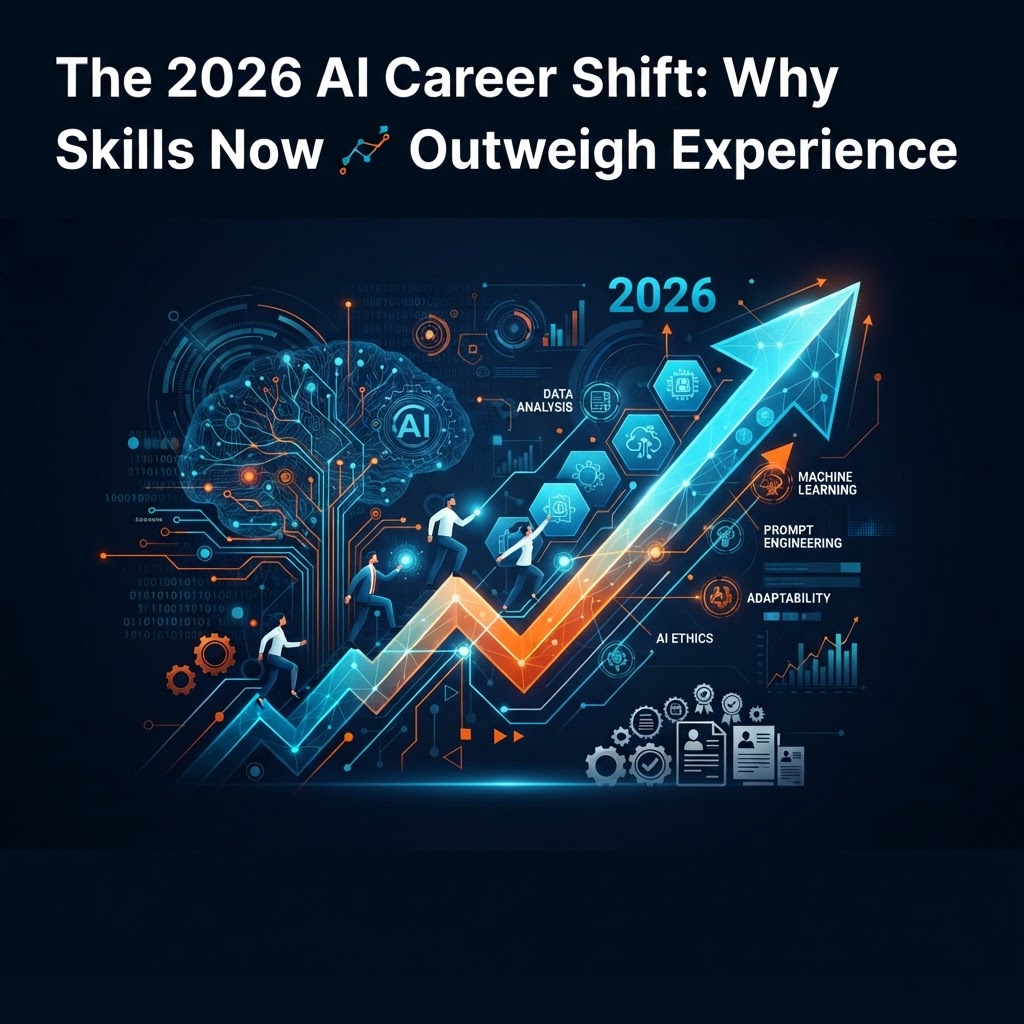
The Rapid Evolution of the AI Career Landscape
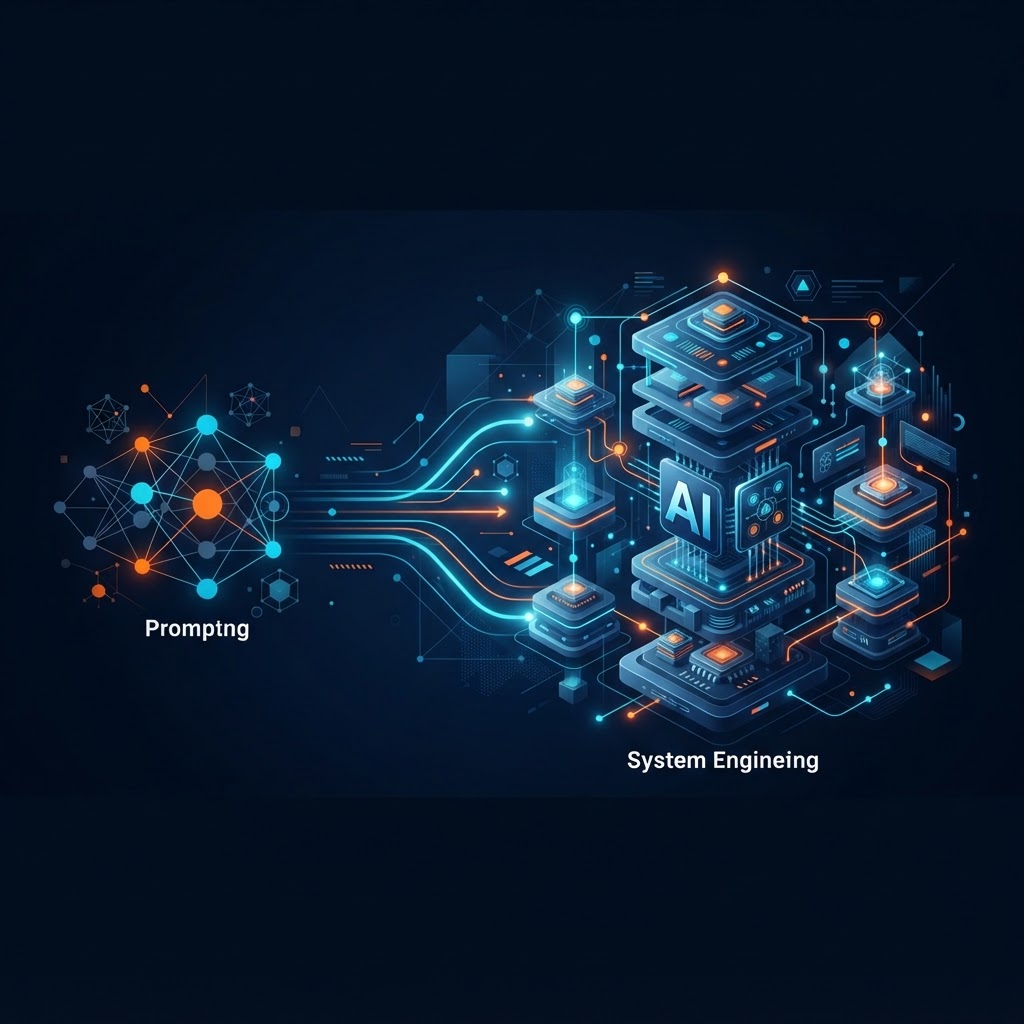
The narrative surrounding artificial intelligence in the workplace has shifted dramatically. While the initial wave of generative AI sparked discussions about novel, stand-alone roles like standalone prompt engineers, 2026 labor market data reveals a far more pervasive transformation. Rather than isolating AI into specialized technical departments, employers are embedding AI literacy and tooling across standard business operations.
According to recent workforce findings highlighted by Campus and data from NACE's Job Outlook 2026 Spring Update, more than one-third of entry-level positions now demand demonstrated AI competency—a share that has nearly tripled in recent quarters. Crucially, research from Lightcast indicates that over 51% of AI-related job postings are now situated completely outside traditional IT and software development units.
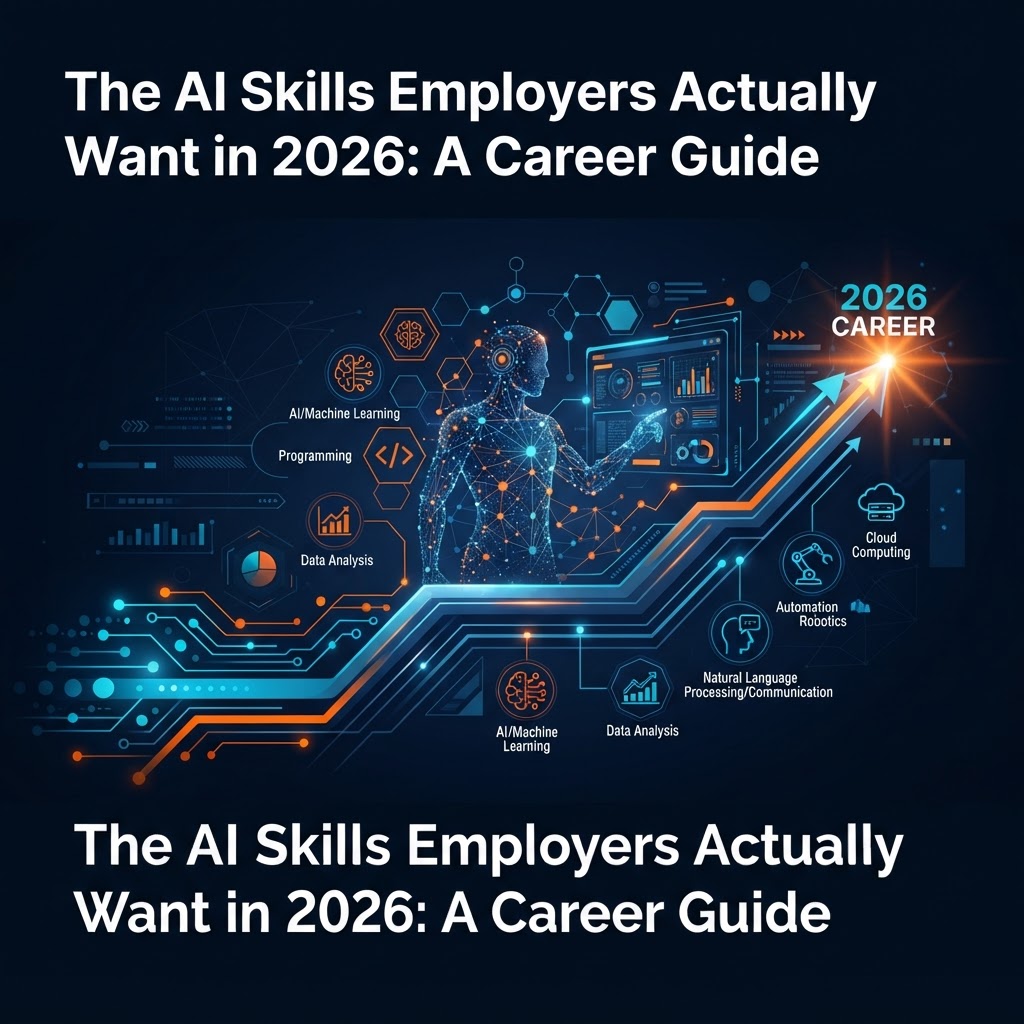
The Real Skills Employers Are Prioritizing
Recent employer analyses, including reporting on Forbes and industry market updates, illustrate that hiring managers are moving away from theoretical know-how toward measurable execution and workflow augmentation.
1. Applied AI Literacy and Critical Evaluation
Companies are no longer seeking employees who simply query chatbots. Baseline digital literacy now requires deep critical thinking: detecting hallucinations, evaluating automated outputs, and understanding ethical and data privacy implications. Organizations require professionals who can ensure that AI-generated decisions meet regulatory, brand, and corporate quality standards.
2. Workflow Automation and Agentic AI
As noted in labor briefs from OODAloop, skills centered on agentic workflows and automated multi-step processes are seeing rapid growth. Employers reward candidates who can connect generative AI engines with internal databases, automations, and software stacks to eliminate manual administrative friction.
3. Practical Data Interpretation and Domain Augmentation
Prompt engineering has transitioned from an isolated specialty into a baseline tool. The true differentiator lies in domain-specific problem-solving. Whether in marketing, finance, human resources, or operations, the greatest premium is awarded to domain experts who know how to query enterprise datasets, orchestrate AI tools, and synthesize business insights.
Understanding the AI Salary Premium
The economic incentives for upskilling in AI have expanded significantly. While technical roles such as AI/machine learning engineers continue to command high compensation—often averaging above $200,000 annually according to market studies from AI News Hub—the compensation upside now extends across the general workforce.
Analyses from PwC's AI Jobs Barometer document a steep wage premium for positions specifying AI competencies, reaching premiums between 28% and 56% over non-AI counterparts. This dynamic underlines the emergence of a two-track labor market where professionals with verified AI competencies outpace peers in compensation, mobility, and career resilience.
How to Position Your Career for the Shift
For mid-career professionals, recent graduates, and prospective career-switchers, building an AI-ready profile does not necessitate an advanced computer science degree. Success requires actionable strategies:
- Audit Your Current Workflow: Identify the repetitive tasks, data synthesis challenges, and communication bottlenecks in your current role that can be streamlined through AI tools.
- Develop Verified Competency: Move beyond passive experimentation. Pursue structured certifications and courses that validate your hands-on experience with prompting, ethical governance, and agentic tools.
- Showcase Measurable Outcomes: When tailoring your resume, highlight specific impact metrics—such as hours saved, processes automated, or accuracy improved—achieved through AI adoption.
Conclusion
The standard for the modern professional has permanently changed. As employers rapidly institutionalize artificial intelligence across every functional discipline, the winners in this changing job market will not simply be the builders of foundational models, but the professionals capable of deploying these systems to solve real-world problems.
Found this article helpful? Share it with your network:
Related Articles
Explore Your Certification Pathway
Book a consultation with a certification advisor to confirm the right pathway for your role, goals and Early-Bird eligibility.