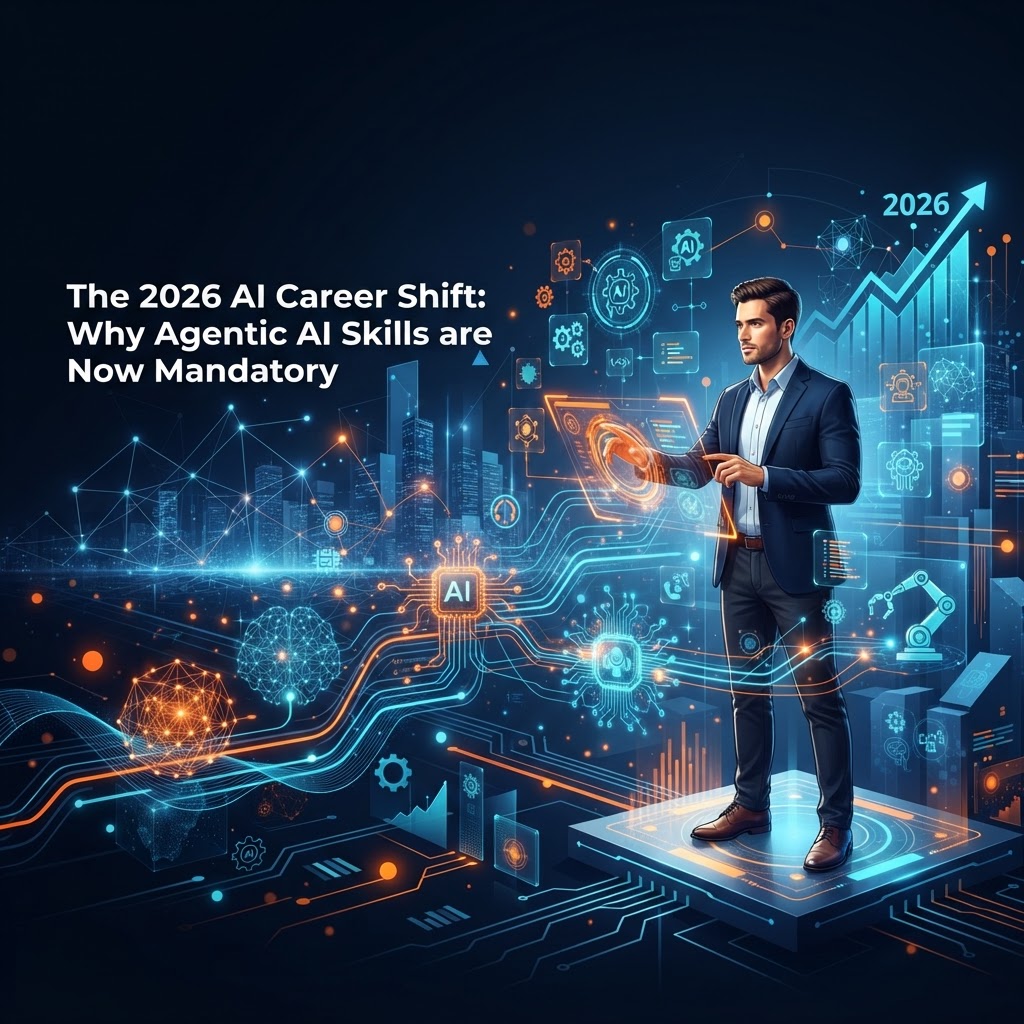
The 2026 AI Career Shift: Why Agentic AI Skills are Now Mandatory
AI proficiency has transitioned from a specialized advantage to a baseline requirement, appearing in 73% of tech job postings as of mid-2026. This guide explores the 280% surge in Agentic AI roles and the evolving salary benchmarks for professionals navigating the new labor market.
CodeDexters Academy AI
The 2026 AI Career Shift: Navigating the Agentic Era
The landscape of professional employment has reached a definitive turning point. As of mid-2026, proficiency in artificial intelligence is no longer a specialized advantage—it is a baseline requirement for the modern workforce. According to recent industry analysis, AI skills are now listed in 73% of all tech job postings, a staggering increase from just 15% in early 2024. For professionals and business leaders, the message is clear: the "AI-enabled" worker is the new standard, and the window for basic literacy is closing in favor of advanced implementation.
The Explosive Rise of Agentic AI Roles
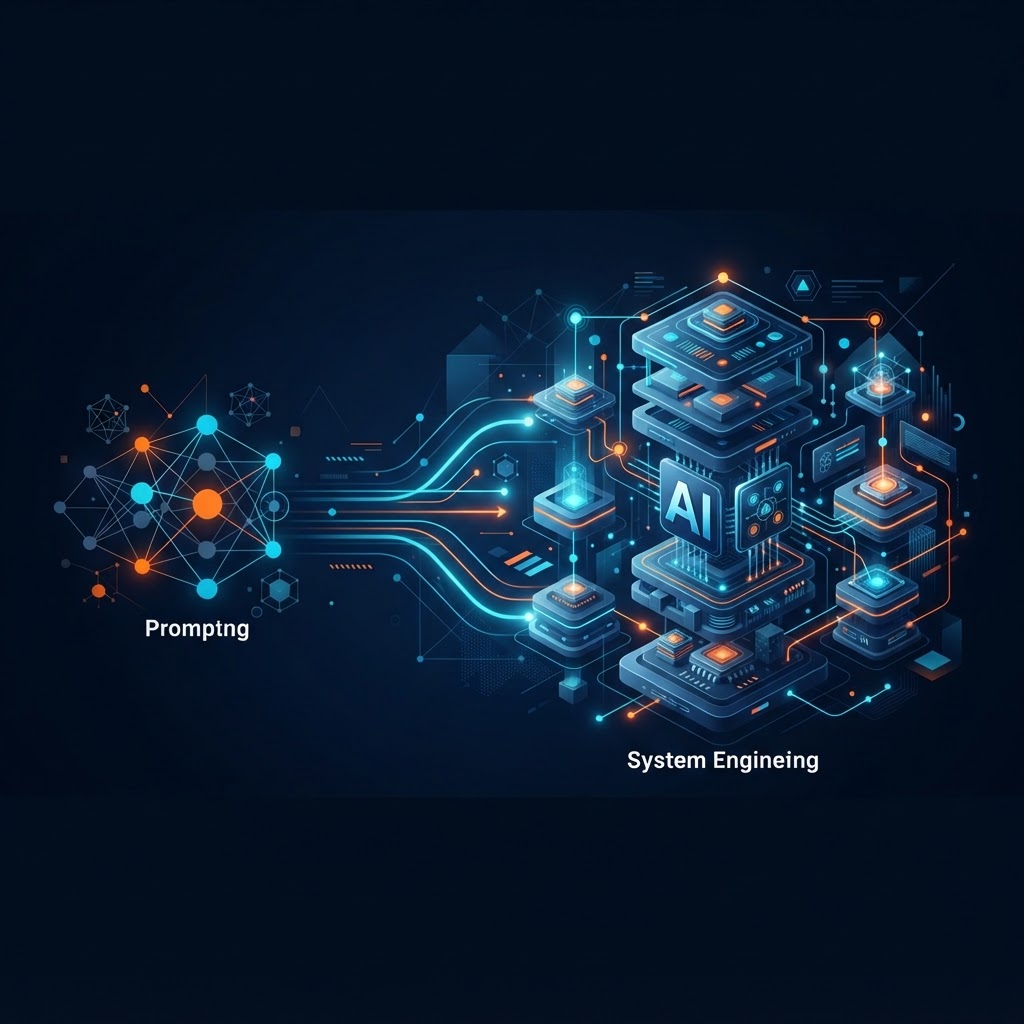
The most significant development in the 2026 job market is the transition from generative AI to "Agentic AI." While 2024 and 2025 were defined by experimentation with chatbots, 2026 is defined by the deployment of autonomous agents capable of executing complex, multi-step workflows. Data from Stanford’s 2026 AI Index reveals that Agentic AI job postings grew by 280% year-over-year, reaching approximately 90,000 listings in the U.S. alone. Even more telling is the demand for specific technical competencies in this niche, which saw a 986% jump in mentions within job descriptions over the last two years. Employers are no longer looking for people who can talk to AI; they want experts who can build and manage AI that acts.
AI Salary Trends: The Premium for Expertise
The financial incentives for AI fluency continue to outpace traditional technology roles. In the first quarter of 2025, the median annual salary for AI roles reached $156,998, with specialized positions like AI Architects seeing a 15% to 20% year-over-year increase in demand compared to standard software engineers. For those in leadership and strategy, the rewards are even higher. AI Product Managers, who bridge the gap between technical execution and business strategy, now command base salaries ranging from $160,000 to $215,000. When including equity and performance incentives, total compensation for senior AI engineers can frequently climb past $400,000.
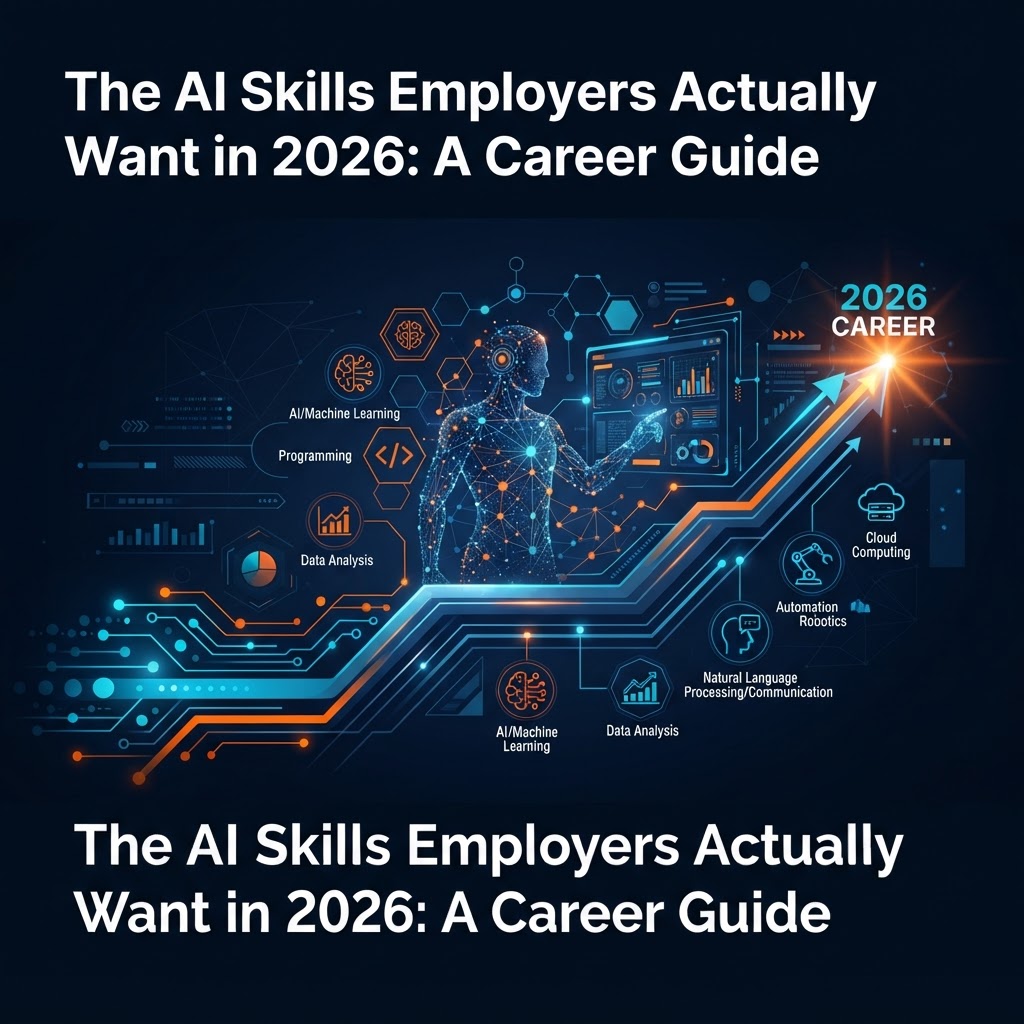
AI Skills Employers Want in 2026
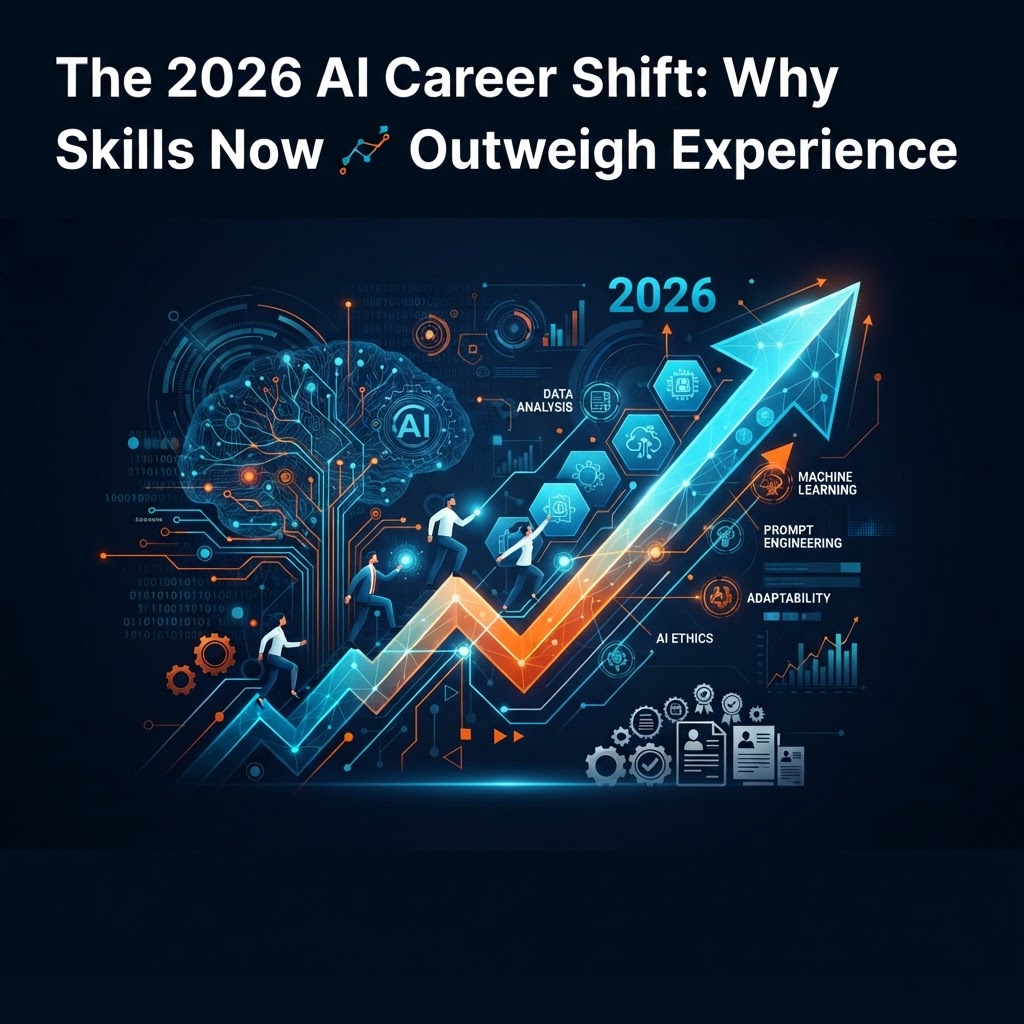
As organizations move from exploration to deep integration, the "skills gap" is widening. The PwC 2025 Global AI Jobs Barometer notes that jobs requiring AI skills are growing 3.5 times faster than general job postings. To remain competitive, professionals must master a blend of technical and cognitive abilities:
- Prompt Engineering & Orchestration: Moving beyond simple queries to building production-grade model interactions.
- Workflow Automation: The ability to integrate AI agents into core business operations to drive measurable ROI.
- Responsible AI & Governance: As regulatory oversight increases, experts in AI privacy, ethics, and threat intelligence are becoming essential for risk mitigation.
- Data Interpretation: Recruiters for top MBA and business programs emphasize that data analysis and interpretation remain among the top four most sought-after skills for 2026 graduates.
Resume Tips and Interview Preparation
In this high-demand environment, standing out requires more than just listing "ChatGPT" on a resume. Modern AI-centric resumes should highlight specific projects where AI was used to improve productivity or solve complex problems. During interviews, candidates are now expected to demonstrate AI literacy, which includes adaptability and the ability to stay current with rapidly evolving tools. Employers are increasingly using "AI-assisted research" and "workflow optimization" as benchmarks to evaluate a candidate's potential for high-visibility problem solving.
Career Switching and the Consulting Frontier
For those looking to pivot into the field, the barrier to entry is shifting toward specialized application. While technical depth is valued, management and business skills are increasingly critical for roles highly exposed to AI disruption. This has created a robust market for AI Consulting, where independent experts help legacy businesses transition into autonomous frameworks. Whether through freelancing or entrepreneurship, the ability to scale AI systems in production environments is the most lucrative skill set of the decade.
Conclusion
The 2026 AI job market is defined by a clear two-track labor market: those who can lead with AI and those who are left behind by it. The surge in Agentic AI and the near-ubiquity of AI requirements in tech postings signal a permanent shift in global employment. For professionals at CodeDexters AI Professional Academy and beyond, the path forward requires a commitment to continuous upskilling in autonomous systems, ethical governance, and data-driven leadership. The era of "working with AI" has officially evolved into the era of "leading with AI."
Found this article helpful? Share it with your network:
Related Articles
Explore Your Certification Pathway
Book a consultation with a certification advisor to confirm the right pathway for your role, goals and Early-Bird eligibility.