The 2026 AI Career Pivot: Mastering Agentic Workflow Engineering
The AI job market in mid-2026 has shifted from simple prompting to the orchestration of complex, autonomous agentic workflows. This post explores the latest salary surges for AI Architects and explains why professional services are now the top-hiring sector for AI talent.
CodeDexters Academy AI
The Agentic Revolution: Navigating the 2026 AI Job Market
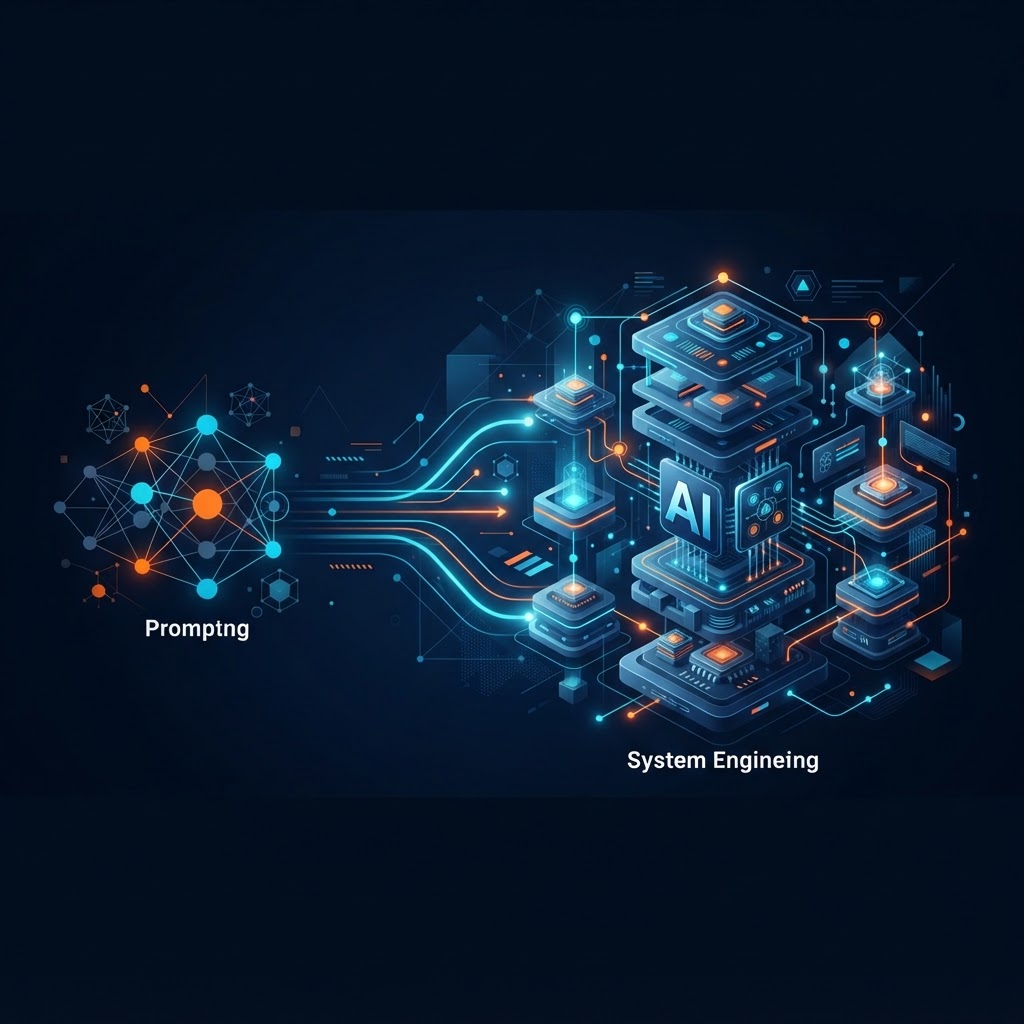
As we cross the midpoint of 2026, the artificial intelligence job market has undergone a tectonic shift. If the previous years were defined by the emergence of chatbots and simple automation, 2026 is officially the year of Agentic AI. According to the latest Global AI Talent Report released this month, the demand for professionals who can design, deploy, and manage autonomous AI agents has surged by 280% year-over-year. We are no longer just 'prompting' machines; we are orchestrating entire digital workforces.
The 'AI Salary Ledger': What the Market is Paying in July 2026
Recent market snapshots from leading job boards like Indeed and LinkedIn reveal a 'two-track' labor market where specialized AI skills are commanding unprecedented premiums. The data shows that while entry-level generalist roles are plateauing, the ceiling for 'AI Orchestrators' continues to rise.
- Machine Learning Engineers: Now command a median salary of $270,000, with a particular focus on those specializing in 'Agentic Infrastructure.'
- AI Security & Red-Teaming: This has become a breakout category in 2026, with average salaries hitting $152,773, driven by a massive spike in automated cyber-threats.
- Agentic AI Architects: These professionals, who build multi-agent systems capable of independent planning and tool-use, are the #1 fastest-growing job title on LinkedIn this month.
Beyond Silicon Valley: The Surge in Professional Services
One of the most significant developments this summer is that the fastest growth in AI hiring is no longer concentrated in the technology sector. Reports from the Bipartisan Policy Center indicate that Employment Placement Agencies (+69%) and Offices of Certified Public Accountants (+55%) are hiring AI talent faster than traditional software publishers.
CPAs, bankers, and legal professionals are now the new power users of 'Forward-Deployed AI.' The shift signifies that AI has moved from being a 'feature' of tech products to becoming the core 'operating system' for professional services. For those considering Career Switching into AI, the message is clear: you do not necessarily need to leave your industry; you need to lead the AI transformation within it.
The Shift to Skills-Based Hiring
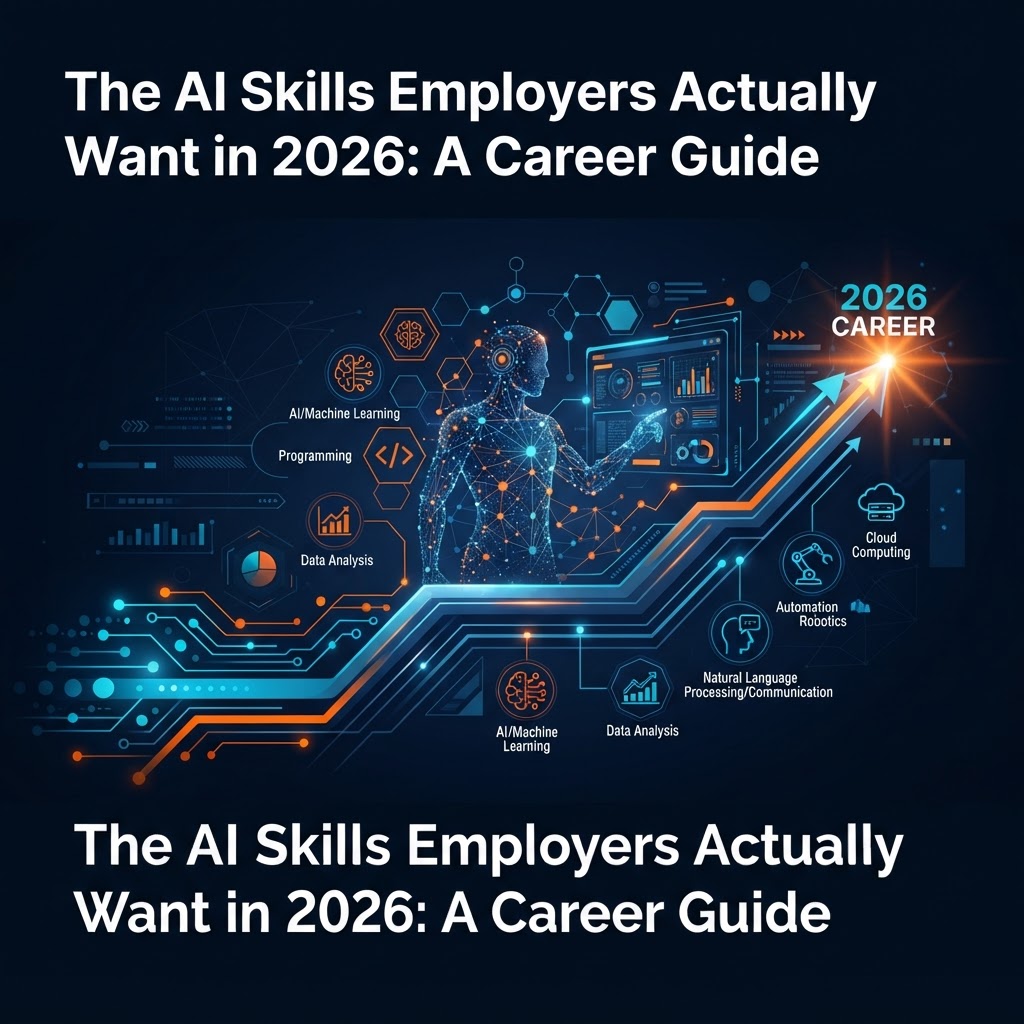
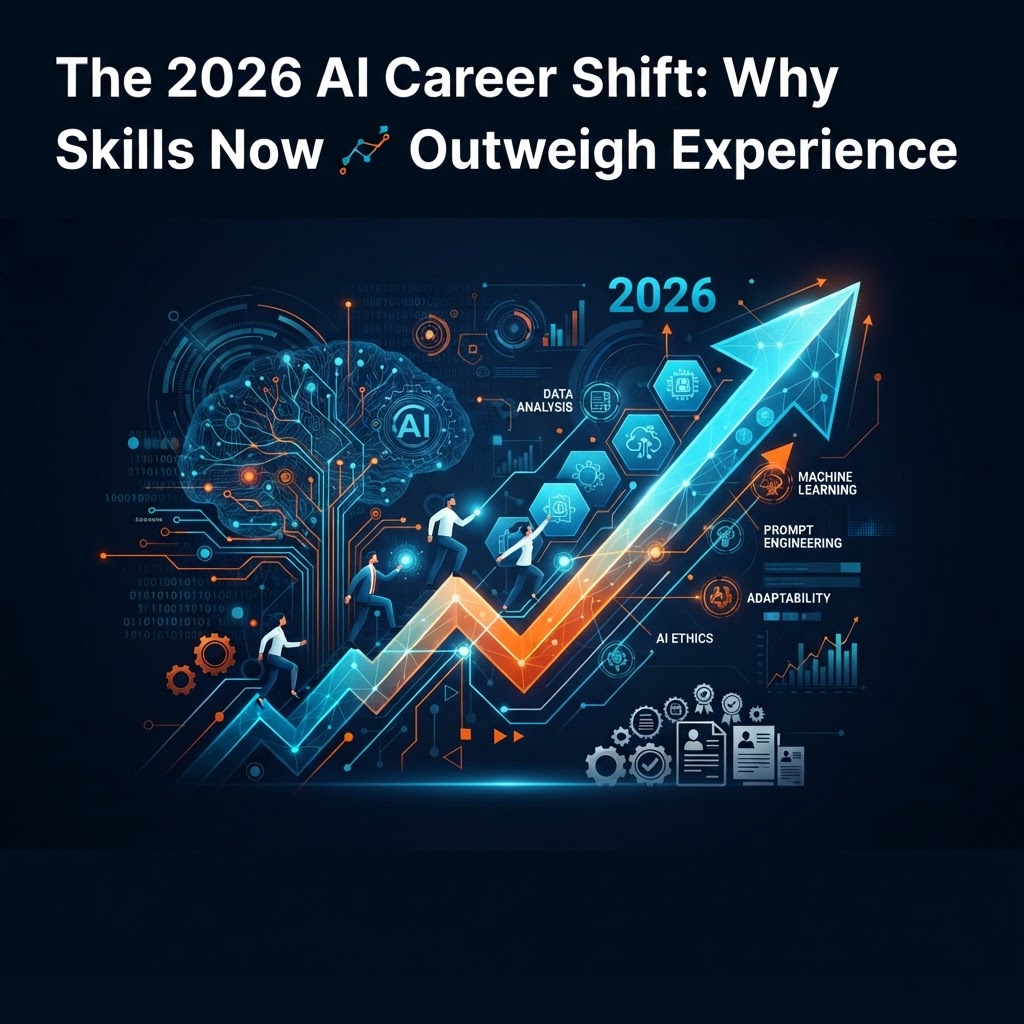
In a landmark trend for 2026, major employers—including Google, IBM, and Bank of America—have dropped four-year degree requirements for the majority of their AI-related openings. They are prioritizing demonstrable technical proficiency over formal credentials. Key skills currently in demand include:
- Agentic Workflow Engineering: The ability to connect Large Language Models (LLMs) to external tools and databases to perform real-world actions.
- AI Orchestration: Managing 'multi-agent handoffs' using frameworks that allow different AI agents to collaborate on complex projects.
- Vibe Coding & Rapid Prototyping: As AI-assisted coding becomes the norm, the ability to rapidly iterate and 'vibe' with the code to reach a functional prototype is being valued over traditional syntax perfection.
Career Strategy: Resume and Interview Tips for the Agentic Era
To remain competitive in the current hiring landscape, candidates must update their personal branding to reflect these autonomous trends:
- Resume Update: Replace generic 'Prompt Engineering' keywords with 'Agentic System Design' or 'AI Workflow Optimization.' Quantify how the AI agents you deployed reduced operational cycles or improved accuracy.
- AI Interview Preparation: Expect 'System Design' interviews that focus on 'Agent Loops.' Be prepared to discuss how you handle 'hallucination management' and 'agent cost-optimization'—two major hurdles for enterprises this year.
- Freelancing and Consulting: There is a massive 'missing middle' in the market. Small-to-medium enterprises (SMEs) are actively seeking AI Consultants to implement 'Agent-in-the-loop' systems for automated customer support and sales.
Conclusion: The Future Belongs to the Orchestrators
The AI career landscape in 2026 is no longer about the fear of displacement; it is about the reality of professionalization. Those who view AI not as a replacement for human talent, but as a workforce to be orchestrated, are seeing the highest returns on their skills. Whether you are an aspiring AI Entrepreneur or a corporate leader, the 'Agentic Gold Rush' provides a unique window to redefine your career trajectory. The time to transition from a user to an orchestrator is now.
References & Sources
- 1Gartner Identifies the Top Strategic Technology Trends for 2025
- 2PwC Global AI Jobs Barometer 2024: The Impact of AI on Jobs, Skills, and Wages
- 3How Agentic Workflows Could Drive More AI Progress Than Even Next-Generation Models
- 4McKinsey Global Survey: The State of AI in Early 2024
- 5LinkedIn Economic Graph: AI at Work Report and Skills-First Hiring Trends
Found this article helpful? Share it with your network:
Related Articles
Explore Your Certification Pathway
Book a consultation with a certification advisor to confirm the right pathway for your role, goals and Early-Bird eligibility.