Beyond the Hype: The Real AI Skills Employers Demand in 2026
As AI integration shifts from a technical niche to a core business capability, employers are prioritizing practical AI literacy over generic expertise. This guide explores the essential skills and strategic approaches needed to thrive in the evolving 2026 job market.
CodeDexters Academy AI
The New Reality of AI Careers
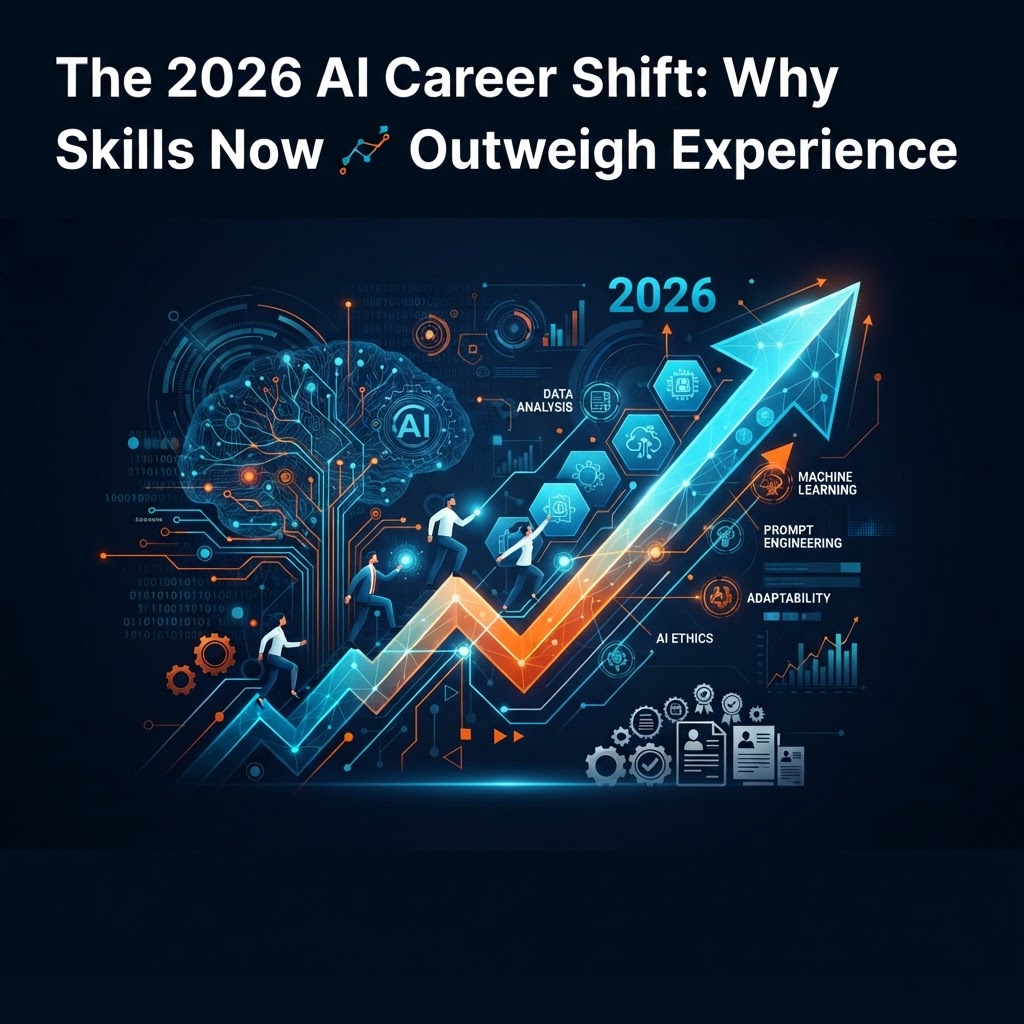
For years, the conversation around Artificial Intelligence careers was dominated by the pursuit of 'AI expert' titles. However, as we move through 2026, the landscape has undergone a structural shift. Data from industry reports, including insights from Lightcast and the World Economic Forum, confirms that AI is no longer just a technical field for researchers; it is a fundamental business capability integrated into marketing, operations, finance, and beyond [13, 18].
The Shift from 'AI Expert' to 'AI Fluent'
Most employers today are not searching for developers to build new models from scratch. Instead, they are seeking professionals who can evaluate existing tools, interpret AI-generated outputs, and apply automation to improve business results [9, 13]. The market is currently rewarding a hybrid profile: individuals who combine deep domain expertise with technical AI literacy [13, 26].
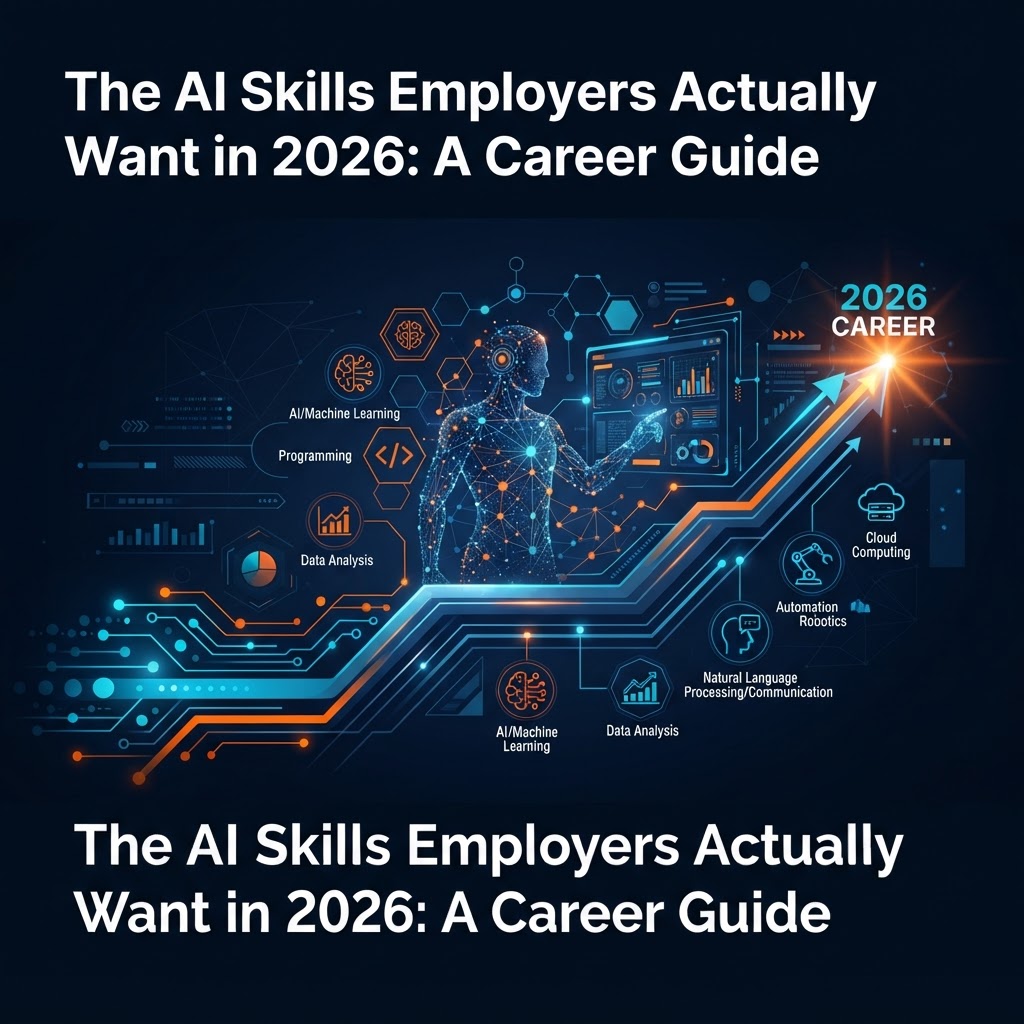
Top AI Skills Employers Want in 2026
If you are looking to future-proof your career, focus on these high-demand competencies:
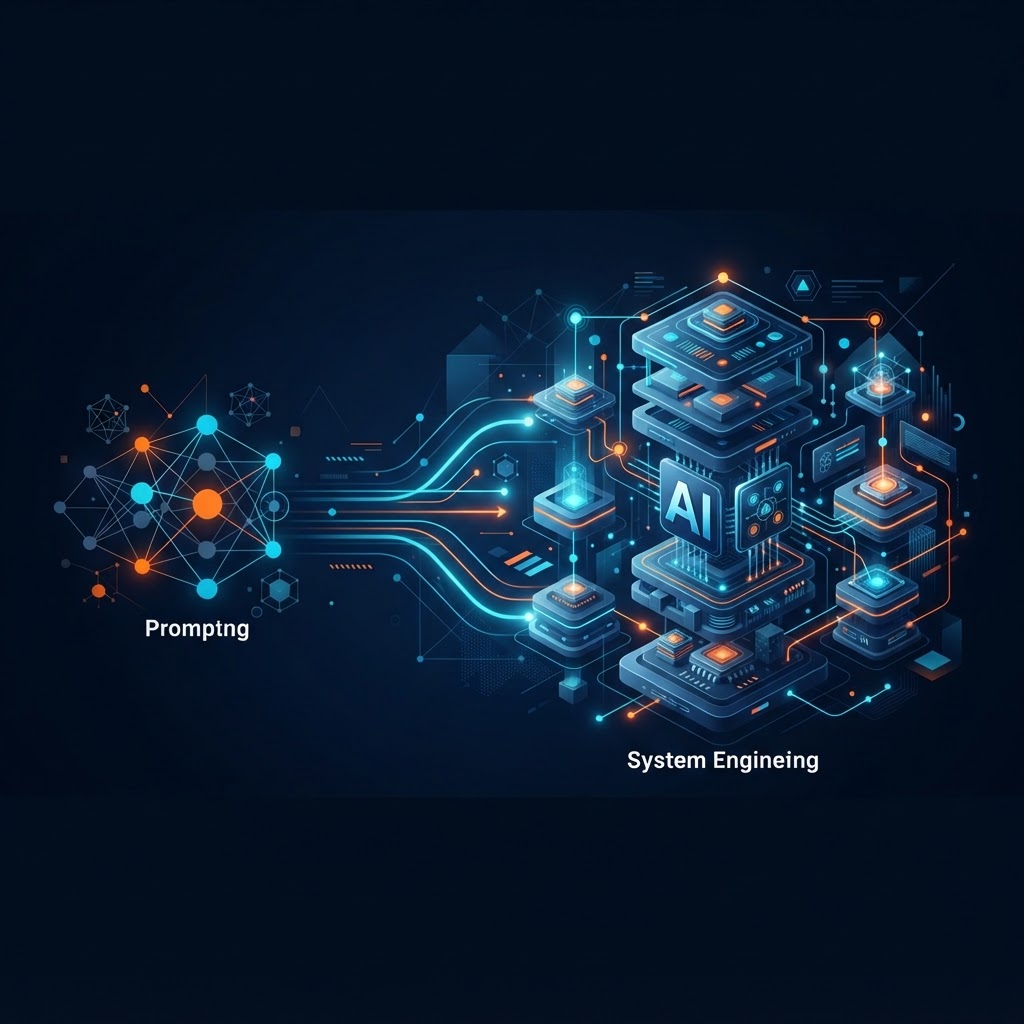
- Prompt Engineering: The ability to communicate effectively with LLMs to produce high-quality, actionable outputs [4, 19].
- AI-Powered Data Analysis: Moving beyond basic spreadsheets to using AI tools for complex pattern recognition and decision-making [9, 18].
- Workflow Automation: Identifying repetitive tasks and implementing AI agents to streamline operational efficiency [9, 19].
- Ethical AI Decision-Making: Understanding the risks, biases, and compliance requirements of AI implementation in a corporate environment [9, 18].
- Domain Expertise: As noted by industry experts, your specific industry knowledge is your greatest asset. Employers are willing to pay a premium for professionals who understand how to apply AI to solve context-specific problems [7, 26].
Navigating the 'New-Collar' Era
We have entered what LinkedIn describes as the 'new-collar era,' where success requires both AI fluency and distinctly human strengths like critical thinking and communication [16]. While entry-level roles in some sectors have faced challenges due to automation, 'seniorized' entry-level roles that require a blend of technical and soft skills are thriving [20, 29].
Strategic Career Development
To remain competitive, stop 'panic collecting' certifications and start demonstrating capability [17].
- Audit Your Current Role: Identify one manual process in your daily workflow that could be optimized with AI [9].
- Focus on Integration: Learn how to bridge the gap between AI tools and your company’s specific business goals [10].
- Prioritize Practical Application: Use AI to enhance your existing output rather than trying to pivot into a purely technical role unless you have the necessary engineering background [13].
Conclusion
The most successful professionals in 2026 will be those who view AI as a tool to amplify their existing expertise rather than a replacement for it. By focusing on practical AI literacy and maintaining your unique industry perspective, you can secure your place in the future of work. Start by mastering the tools relevant to your field today, and remember: the market rewards those who can execute, not just those who can theorize.
Found this article helpful? Share it with your network:
Related Articles
Explore Your Certification Pathway
Book a consultation with a certification advisor to confirm the right pathway for your role, goals and Early-Bird eligibility.