AI Career Trends 2026: The Rise of Agentic Workflow Managers
As 2026 unfolds, the AI job market has shifted from basic prompt engineering to complex agentic orchestration. Learn about the new skills driving six-figure salary increases and how to transition into these high-demand roles.
CodeDexters Academy AI
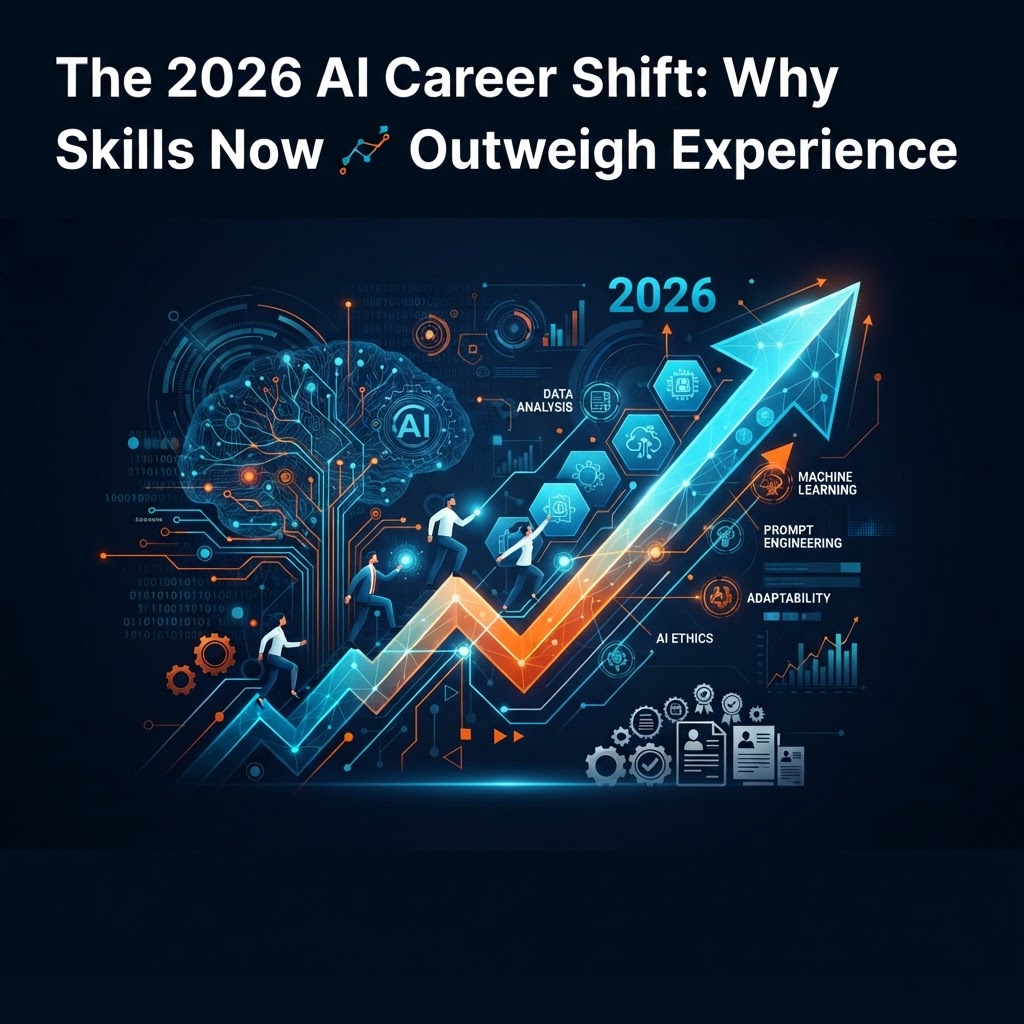
The Great Re-Skilling: Navigating the AI Job Market in 2026
The AI landscape has evolved rapidly over the last eighteen months. While 2024 and 2025 were defined by the democratized use of Large Language Models (LLMs), 2026 has introduced a new paradigm: The Agentic Era. For professionals looking to advance their careers, the focus has shifted from merely using AI tools to orchestrating autonomous AI agents that can execute multi-step business processes independently. At CodeDexters AI Professional Academy, we have tracked these shifts to help you navigate the most significant transformation in the global workforce since the industrial revolution.
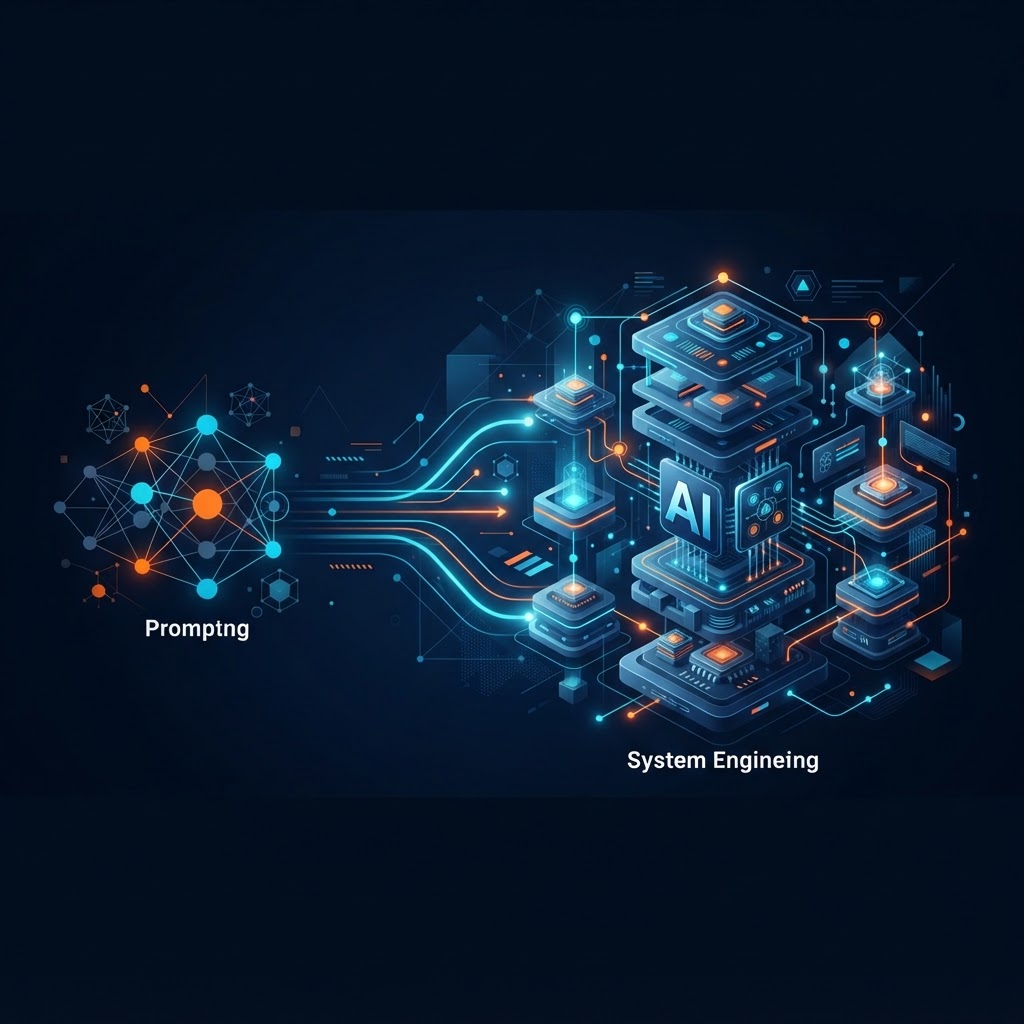
From Prompting to Orchestration: The New "Future Jobs"
According to the 2026 Global AI Talent Report, the demand for "AI Orchestrators" and "Agentic Workflow Designers" has surged by 145% year-over-year. Employers are no longer just looking for people who can chat with a bot; they want experts who can design systems where multiple AI agents collaborate to solve complex problems without constant human oversight. These roles involve setting goals, defining constraints, and managing the 'social' dynamics between specialized AI agents.
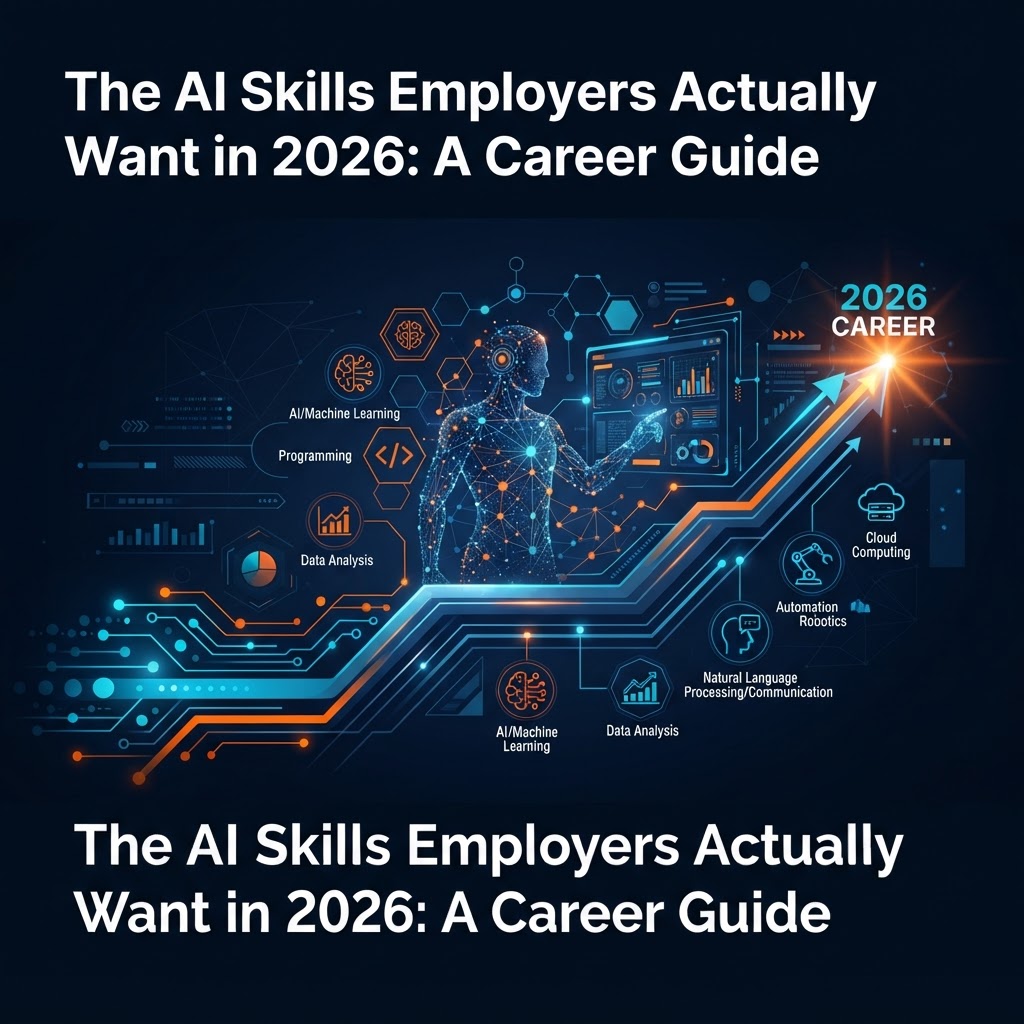
AI Skills Employers Want Now
The skills gap has widened, creating a massive opportunity for those who can bridge the divide between technical implementation and business strategy. In 2026, the most sought-after competencies include:
- Agentic Framework Mastery: Proficiency in frameworks like AutoGen, CrewAI, and advanced LangGraph workflows to build multi-agent systems.
- AI Governance and Ethics: As autonomous agents gain more agency, companies are prioritizing candidates who understand compliance, safety, and monitoring to prevent "agent hallucination chains."
- Hybrid System Integration: The ability to connect AI workflows with legacy enterprise software (ERP/CRM) is now a top-three requirement for mid-to-senior roles.
- Systemic Problem Solving: Moving beyond linear tasks to design loops and feedback mechanisms for self-correcting AI systems.
2026 AI Salary Trends: The Premium on Agency
The compensation landscape reflects this new specialization. Current market data indicates that professionals with verified experience in agentic workflows are commanding salaries 25-30% higher than traditional software engineers. In the United States and Europe, "AI Solutions Architects" specializing in autonomous systems are seeing base salaries starting at $195,000, with total compensation packages often exceeding $320,000 at top-tier firms. Even entry-level "AI Operations" roles are starting at nearly $110,000, provided the candidate can demonstrate hands-on experience with orchestration platforms.
Career Switching: The Path to AI Consulting
For those not currently in technical roles, 2026 is proving to be a golden age for "Functional AI Specialists." Project managers, HR professionals, and marketing directors are successfully pivoting into AI Consulting roles. The key to this transition is focusing on "Business Process AI Re-engineering"—the art of identifying which parts of a corporate workflow can be automated by agents. Freelancing with AI has also evolved; the most successful freelancers are no longer selling individual pieces of content, but rather building and maintaining custom "agent swarms" for small-to-medium enterprises.
Tips for Your 2026 AI Resume and Interview
To stand out in today's automated screening environments, your resume must go beyond generic mentions of AI. Consider these updates:
- Quantify Autonomy: Instead of saying you "used AI to write reports," state that you "implemented a multi-agent system that reduced report generation time by 85% while maintaining 98% data accuracy."
- Highlight Toolkits: List specific agentic frameworks and orchestration platforms alongside your coding or management skills.
- The AI Interview Prep: Be prepared for "System Design" questions where you are asked to map out a workflow for three agents (e.g., a Researcher, a Writer, and an Editor) to complete a project with minimal human intervention.
AI Entrepreneurship: The Solopreneur Revolution
The rise of agentic AI has lowered the barrier to entry for AI Entrepreneurship. In 2026, we are seeing the rise of "Companies of One"—individuals generating seven-figure revenues by leveraging their own proprietary agentic workflows to handle everything from lead generation to technical support. This shift emphasizes that the most valuable asset in the modern economy is no longer just labor, but the ability to direct intelligent systems.
Conclusion
The career opportunities in AI for 2026 are more sophisticated and lucrative than ever. As we move away from simple task automation toward complex, autonomous orchestration, the professionals who succeed will be those who embrace continuous learning. Whether you are aiming for a corporate leadership role, starting an AI consultancy, or looking to switch careers, the time to master agentic workflows is now. At CodeDexters AI Professional Academy, we are ready to help you lead this new frontier.
Found this article helpful? Share it with your network:
Related Articles
Explore Your Certification Pathway
Book a consultation with a certification advisor to confirm the right pathway for your role, goals and Early-Bird eligibility.