
The Shift to Agentic AI: How Enterprises Are Scaling Intelligence
As the AI industry pivots from simple chatbots to autonomous agents, major players like OpenAI, Google, and Anthropic are prioritizing deployment engineering to drive real-world business value. This shift marks a critical evolution in how organizations integrate AI into their core operations.
CodeDexters Academy AI
The Rise of Agentic AI in the Enterprise
For the past few years, the conversation surrounding artificial intelligence has been dominated by the question: "Should we use AI?" Today, that narrative has fundamentally shifted to: "Where can AI deliver the greatest business value?" [15] As we move through 2026, the industry is witnessing a transition from passive content generation to active, agentic AI—systems capable of executing complex workflows across departments [15, 22].
The Pivot to Deployment Engineering
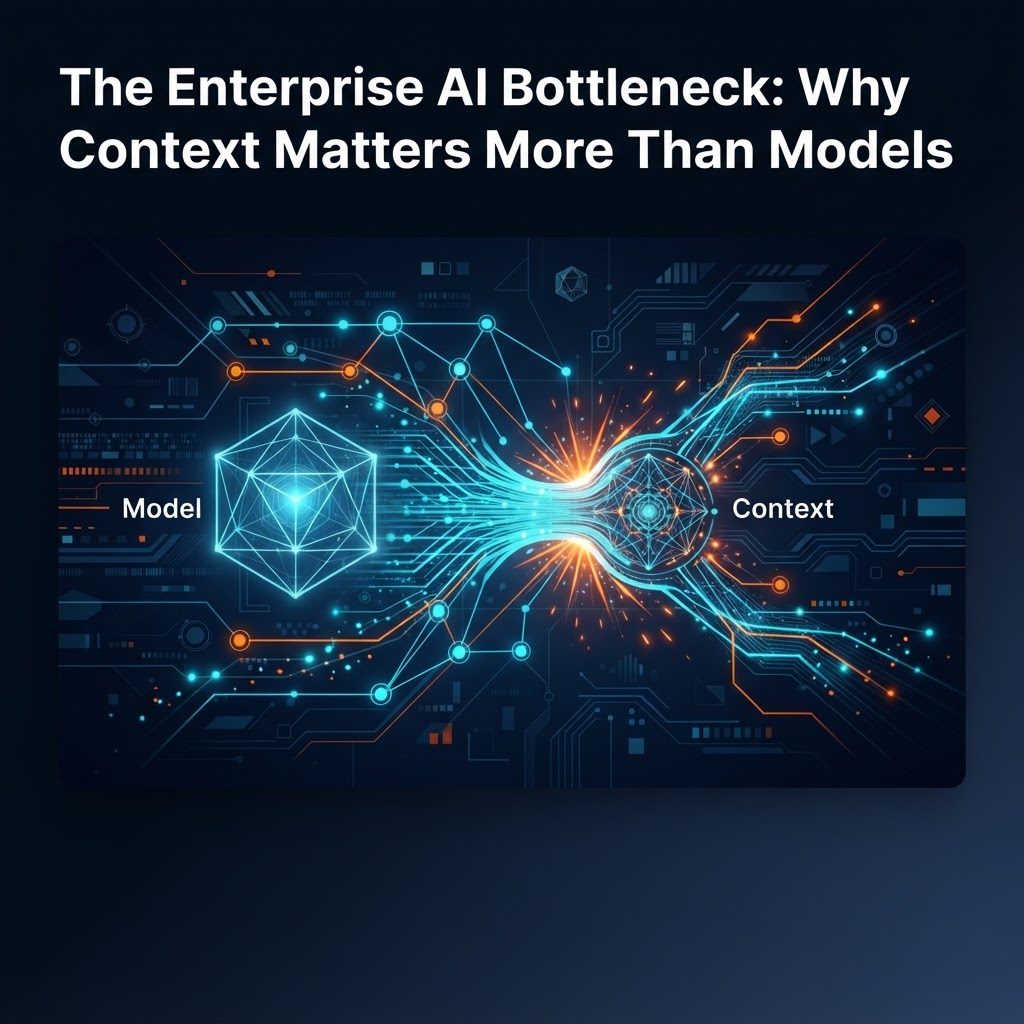
Leading AI labs, including OpenAI, Anthropic, and Google, are increasingly focusing on deployment engineers to bridge the gap between research and practical application [24]. This shift is a direct response to the needs of enterprise clients who require more than just a conversational interface; they need reliable, scalable systems that can handle data management, security, and integration with existing infrastructure [9, 21].
Recent developments highlight this trend:
- Strategic Partnerships: Major alliances, such as the collaboration between Microsoft, NVIDIA, and Anthropic, are scaling access to frontier models like Claude, providing enterprises with the robust computing power necessary for large-scale deployment [5].
- Agentic Capabilities: Google has introduced tools like AlphaEvolve, a Gemini-powered agent designed to optimize code and search for better algorithmic solutions, demonstrating how AI is moving from assistance to active execution [11].
- Operational Focus: Anthropic has recently released interfaces specifically designed to help AI agents operate machines, signaling a new era of automation where AI interacts directly with software environments [28].
Why Infrastructure Matters
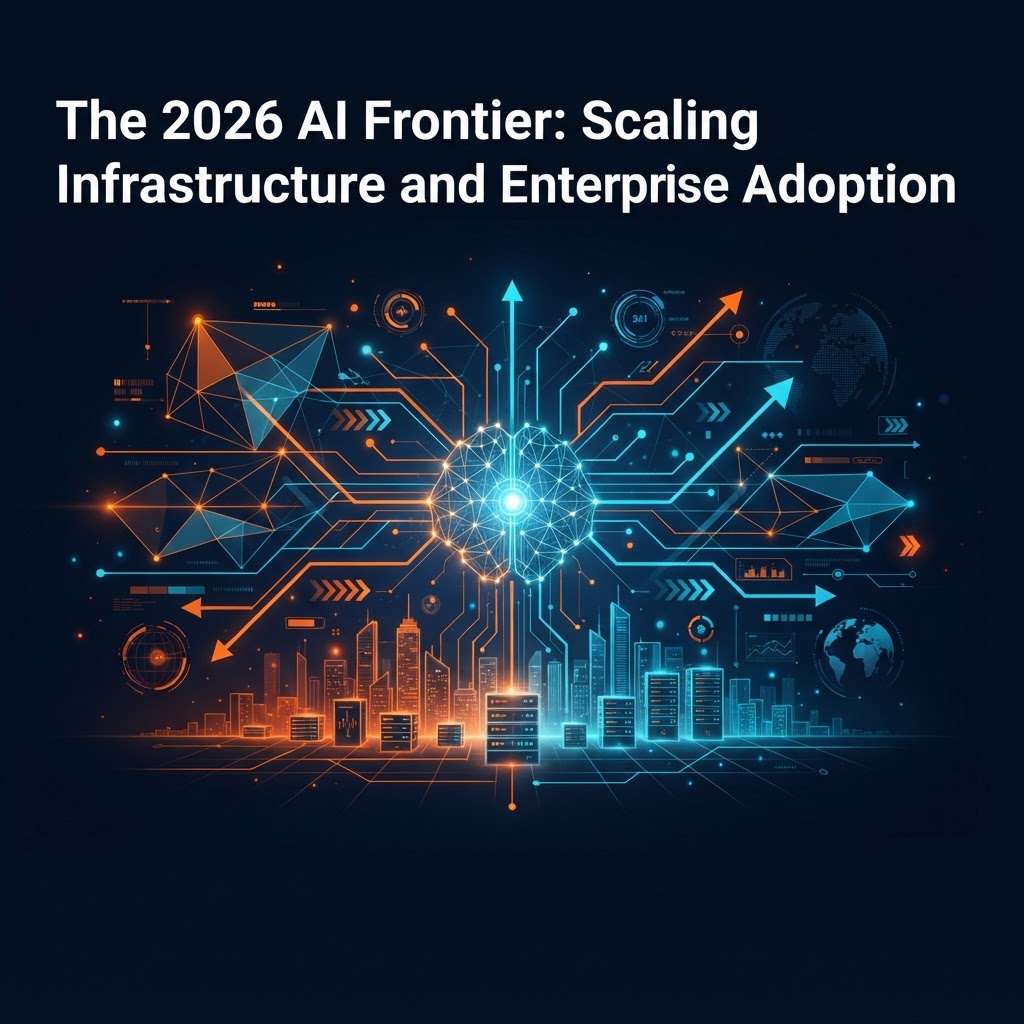
While model breakthroughs continue to capture headlines, the next phase of AI adoption is heavily dependent on the infrastructure behind the models [16]. Companies are now prioritizing interoperability—the development of open standards that allow different AI systems to communicate and work together seamlessly [18]. This is essential for organizations looking to avoid vendor lock-in and ensure their AI investments remain sustainable over the long term [17].
Navigating the Future of Enterprise AI
As AI adoption matures, organizations are finding that success requires a balanced approach. It is no longer enough to simply deploy a model; businesses must now focus on:
- Governance and Safety: Implementing standardized reporting and bias detection protocols to maintain trust and meet regulatory requirements [9].
- Integration: Ensuring that AI tools can connect with legacy systems to automate financial processes, customer support, and cybersecurity [15].
- Human-AI Collaboration: Training employees to work alongside AI agents, shifting the focus from manual tasks to high-level decision-making [15].
Conclusion
The transition to agentic AI represents a significant milestone in the digital transformation of the modern enterprise. By moving beyond simple chatbots and embracing autonomous agents, businesses can unlock new levels of productivity and innovation. As we look toward the remainder of 2026, the organizations that succeed will be those that treat AI not as a standalone tool, but as a core component of their operational infrastructure.
Found this article helpful? Share it with your network:
Related Articles

Explore Your Certification Pathway
Book a consultation with a certification advisor to confirm the right pathway for your role, goals and Early-Bird eligibility.