The AI Revolution: How Healthcare is Leading the Industry Transformation
Healthcare has emerged as the primary leader in AI adoption, with nearly 80% of hospitals integrating AI to enhance patient care and operational efficiency. This article explores the rapid shift toward agentic AI and the critical role of professional education in sustaining this momentum.
CodeDexters Academy AI
The New Frontier: AI in Healthcare
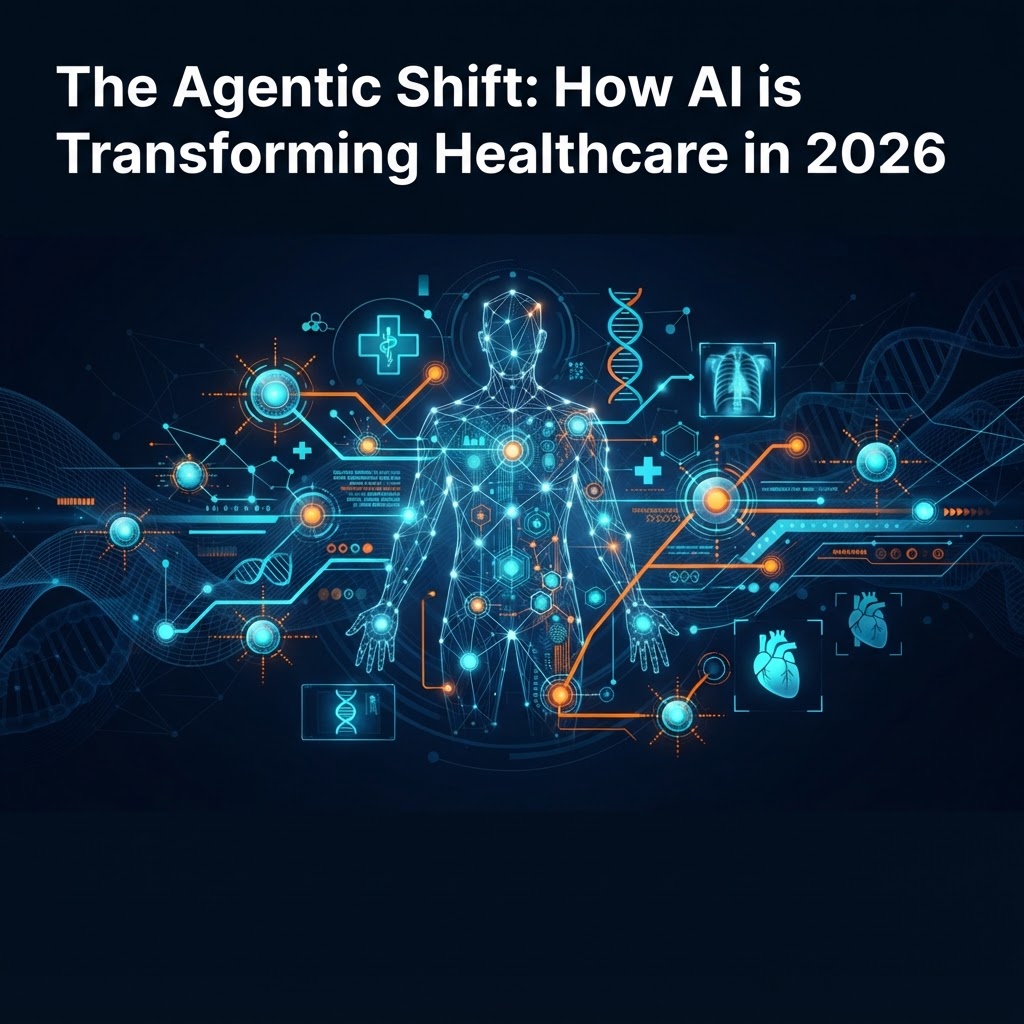
Artificial Intelligence is no longer a futuristic concept; it is the current operational backbone of the modern healthcare industry. As of 2025, approximately 80% of hospitals have embraced AI technologies to augment patient care and streamline complex workflows. This rapid adoption marks a significant leap from previous years, positioning healthcare as the most dynamic vertical for AI investment and innovation.
From Administrative Relief to Clinical Precision
The most immediate impact of AI in healthcare is the reduction of administrative burden. Tools like Microsoft’s Dragon Copilot are transforming clinical consultations by automating documentation, allowing physicians to focus on patient interaction rather than paperwork. Beyond administration, AI is being deployed in high-stakes clinical environments:
- Predictive Analytics: Utilizing historical data to forecast patient readmissions and disease progression.
- Advanced Diagnostics: AI-informed systems are now performing laborious image scanning to identify fractures and early signs of disease with unprecedented speed.
- Agentic AI: New research projects, such as those showcased in the 2025 GE HealthCare AI Innovation Lab, are exploring agentic AI to assist clinicians in complex decision-making processes.
The Critical Need for AI Literacy
As the industry shifts from experimental pilots to systematic adoption, the demand for skilled professionals has skyrocketed. The gap between early adopters and those on the sidelines is widening, making AI literacy an essential competency for healthcare leaders and staff alike.
Recognizing this, industry leaders are prioritizing education. For instance, GE HealthCare has launched the 'HelloAI' program, providing over 20 hours of free, on-demand healthcare AI training to the public. This initiative underscores a broader industry trend: the realization that technology is only as effective as the people trained to implement and govern it.
Governance and Sustainability
While the potential for innovation is immense, the industry is also grappling with the challenges of responsible implementation. Governance, policy, and ethical integrity remain at the forefront of discussions at major forums like HIMSS. Organizations are increasingly focused on:
- Deterministic AI: Ensuring that AI agents operate within strict, governed parameters for mission-critical operations.
- Sustainability: Addressing the energy consumption of AI infrastructure, with nearly one-third of organizations citing energy reduction as a key driver for their AI/ML adoption strategies.
Conclusion
The transformation of healthcare through AI is a testament to the power of targeted, industry-specific innovation. By moving beyond generic applications and focusing on real-world clinical and operational needs, the sector is setting a benchmark for other industries. For professionals looking to stay competitive, the message is clear: the future of healthcare belongs to those who can effectively bridge the gap between medical expertise and AI-driven insights.
Found this article helpful? Share it with your network:
Related Articles
Explore Your Certification Pathway
Book a consultation with a certification advisor to confirm the right pathway for your role, goals and Early-Bird eligibility.