From Pilots to Profits: Mastering AI ROI in 2026
As enterprise AI moves from experimental pilots to full-scale production, business leaders are shifting their focus from mere adoption to achieving measurable financial returns. This article explores the critical strategies for overcoming the 'pilot-to-production' gap and ensuring sustainable AI ROI in an increasingly regulated landscape.
CodeDexters Academy AI
The Shift Toward Measurable AI Value
For the past two years, the business world has been captivated by the potential of generative AI. However, as we move deeper into 2026, the narrative has shifted. The era of 'experimentation for the sake of innovation' is ending, replaced by a rigorous demand for tangible business outcomes. Recent data indicates that while AI adoption is climbing, many organizations still struggle to scale their initiatives, with a significant percentage of enterprise projects failing to demonstrate clear financial returns.
Bridging the Pilot-to-Production Gap
One of the most persistent challenges for modern enterprises is the 'pilot-to-production' gap. While many companies successfully launch AI proofs-of-concept, scaling these into enterprise-grade solutions remains difficult. To succeed, leaders must move beyond measuring technical accuracy and start tracking business-centric KPIs.
Key strategies for scaling include:
- Strategic Use-Case Selection: Prioritize functions where AI can generate the most value, such as marketing, sales, and supply chain management, rather than applying AI indiscriminately.
- Data Governance as a Foundation: Effective AI ROI is impossible without clean, curated, and secure data. Organizations must prioritize data integrity to avoid inaccurate outcomes that erode stakeholder trust.
- Workforce Enablement: Technology is only half the battle. Upskilling employees in data interpretation and ethical decision-making is essential for long-term productivity gains.
Navigating the Regulatory Landscape
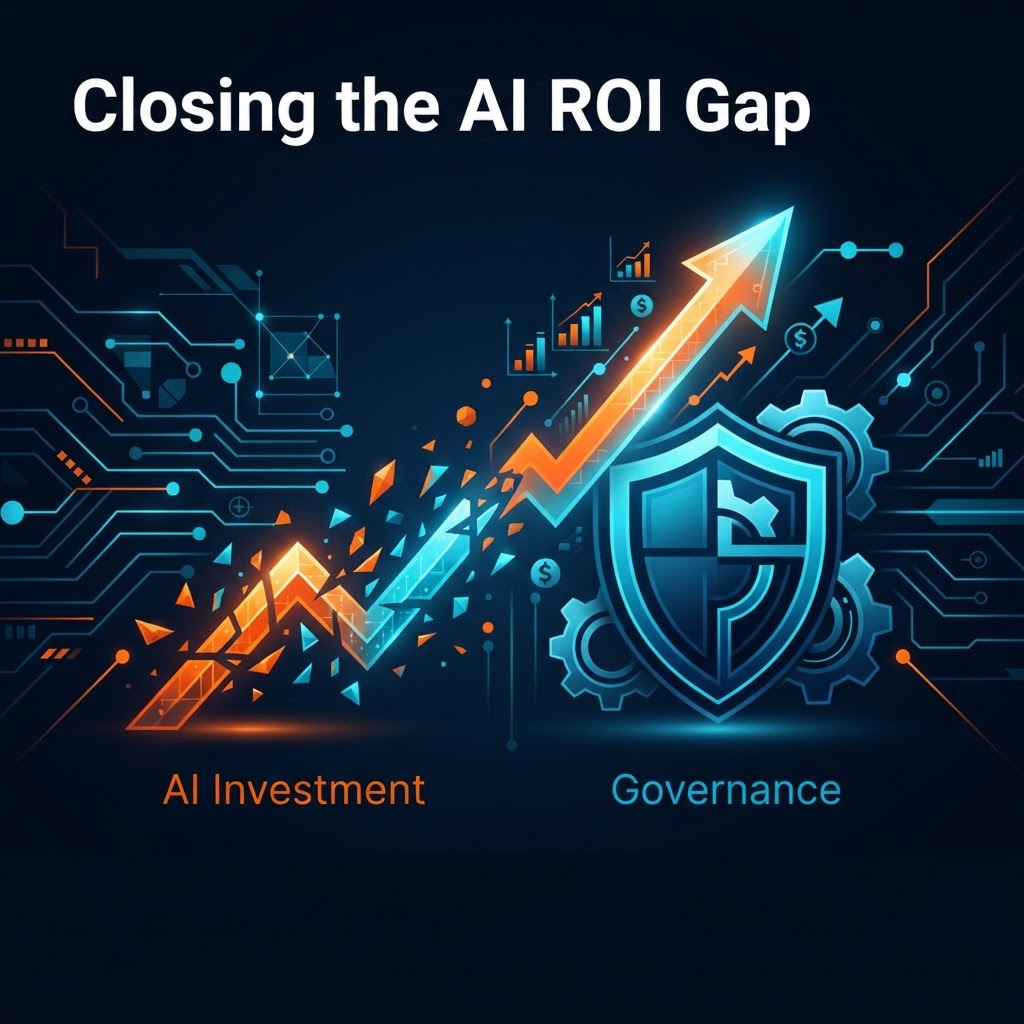
As AI becomes more deeply embedded in critical business processes, governance and compliance have moved to the forefront of the boardroom agenda. With new regulations like the EU AI Act and evolving state-level requirements in the U.S. regarding automated decision-making technology (ADMT), businesses must treat compliance as a competitive advantage rather than a hurdle.
Effective AI governance involves:
- Lifecycle Risk Management: Implementing continuous monitoring to detect model drift and ensure transparency.
- Proactive Compliance: Preparing for upcoming transparency obligations and watermarking requirements for AI-generated content.
- Ethical Innovation: Balancing the drive for rapid deployment with the necessity of responsible development to protect brand reputation and consumer rights.
The Path Forward: Balancing Innovation and Control
To achieve sustainable success, CIOs and business leaders must find a healthy equilibrium. The most successful organizations are those that treat AI not as a standalone IT project, but as a core component of their digital transformation strategy. By focusing on clear metrics, robust governance, and human-centric upskilling, businesses can finally move past the hype and realize the true economic potential of artificial intelligence.
Conclusion
2026 is the year that AI ROI gets real. The organizations that will thrive are those that stop viewing AI as a magic bullet and start managing it as a disciplined business capability. By focusing on high-impact use cases, rigorous governance, and a culture of continuous learning, leaders can ensure their AI investments deliver lasting value in an increasingly competitive global market.
Found this article helpful? Share it with your network:
Related Articles


Explore Your Certification Pathway
Book a consultation with a certification advisor to confirm the right pathway for your role, goals and Early-Bird eligibility.